Accessibility at Königstein Fortress
Getting up, which is the hard part
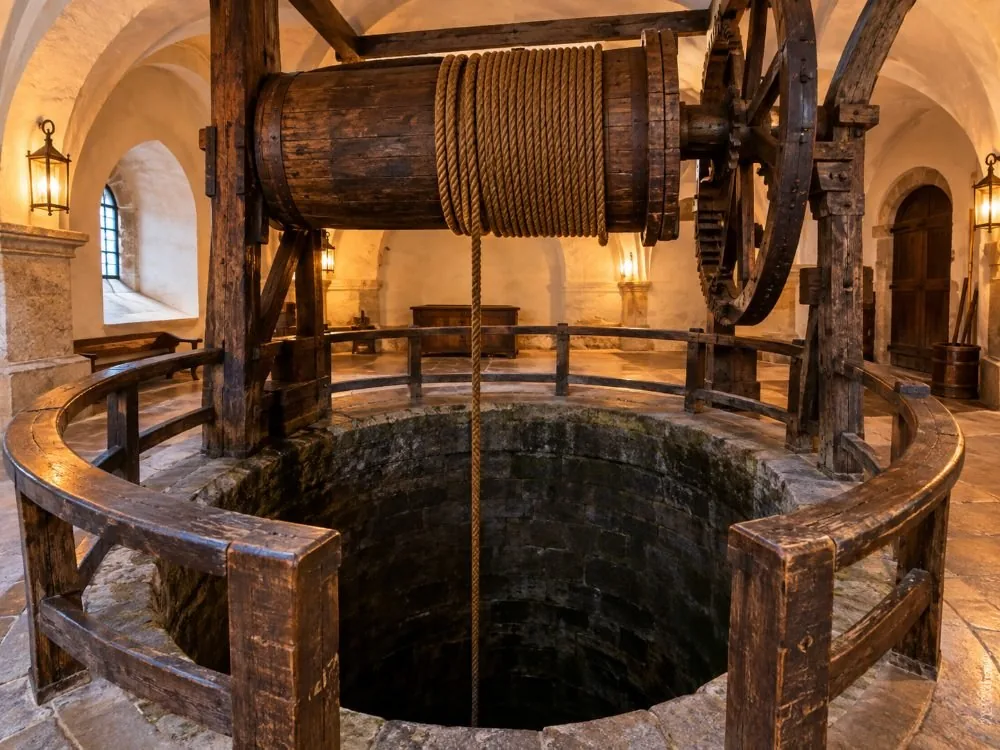
The forecourt is reserved for holders of the blue EU disabled parking permit, so a car with the badge gets closer to the gate than anything else does. Otherwise the passenger and goods lift — the 1967–1970 one, licensed for 42 people — runs year-round, and the Panoramaaufzug runs April to October. Whether lift use is covered by admission is not something the fortress publishes, so ask at the window. Parking and getting up the rock have the rest.
The one thing to plan around: Königstein railway station is not accessible. An accessible shuttle from the town has to be arranged in advance, and in advance means before you travel, not on the platform. If you are coming by S1 and this applies to you, contact the fortress first. How to get there lists the alternatives.
On the plateau
Most of the exhibitions are step-free, and the outer-wall circuit — about 1.7 kilometres, the fortress’s own figure — is generally wide enough for a wheelchair. The warning that comes with that is about the historic fabric: uneven paving and slopes, in places, because the surfaces are four centuries old and cannot simply be relaid. Routes that are not suitable for wheelchairs are signposted, and a wheelchair route map is published, so the planning has been done for you if you pick it up at the start.
The fortress recommends that wheelchair users bring a companion. I would take that seriously rather than as boilerplate — the gradients on a fortified rock were designed for hauling guns, not for comfort.
What is provided
Provided by the fortress
- Accessible toilets
- A tactile model with Braille and large print, set at wheelchair height
- An audio guide in ten languages, with easy-language versions
- A German Sign Language video guide
- Sensory bags lent free: noise-reducing headphones, fidget tools, a weighted blanket
- Assistance dogs admitted free
- One companion free where the disability card carries Merkzeichen B
- A published wheelchair route map, with unsuitable routes signposted
Not available
- Step-free access at Königstein railway station
- An accessible shuttle without advance arrangement
- Step-free access to the holiday apartments — stairs only, no lift
- Level paving throughout — the historic surfaces are uneven in places
The sensory bags are the provision almost nobody knows about: headphones, fidget tools and a weighted blanket, lent free. If you are bringing a child who finds crowds and echoing casemates difficult, ask at the ticket window. Visiting with children has more on that.
Sleeping up there is not accessible
The two holiday apartments in the former guard wing of the Brunnenhaus are reached by stairs and there is no lift, so they are not an accessible option. They are also closed for renovation for most of 2026. Staying overnight sets out the whole complicated picture.
On a guided tour
The small-group tour built around the fortress carries seven or eight people and runs in English among other languages, which makes it easier to ask for the pace you need than a coach day does. It publishes no accessibility information of its own, so ask the operator directly before booking rather than relying on this page. Guided tours compares it with going round on the audio guide.
Small groups, and someone to ask
Limited to seven participants, or small groups of up to eight, with hotel pickup and drop-off from Dresden and Pirna. It is a new listing with no rating and no reviews yet. Nine to twelve hours including a climb up the Lilienstein, which will not suit every visitor — check with the operator what can be left out.
Other ways to see it
 Arrive by river
Dresden: Königstein Fortress Paddle Steamer Cruise
 Most booked
From Dresden: Saxon Switzerland National Park Full-Day Trip
 Built around the fortress
From Dresden: Lilienstein & Königstein Tour
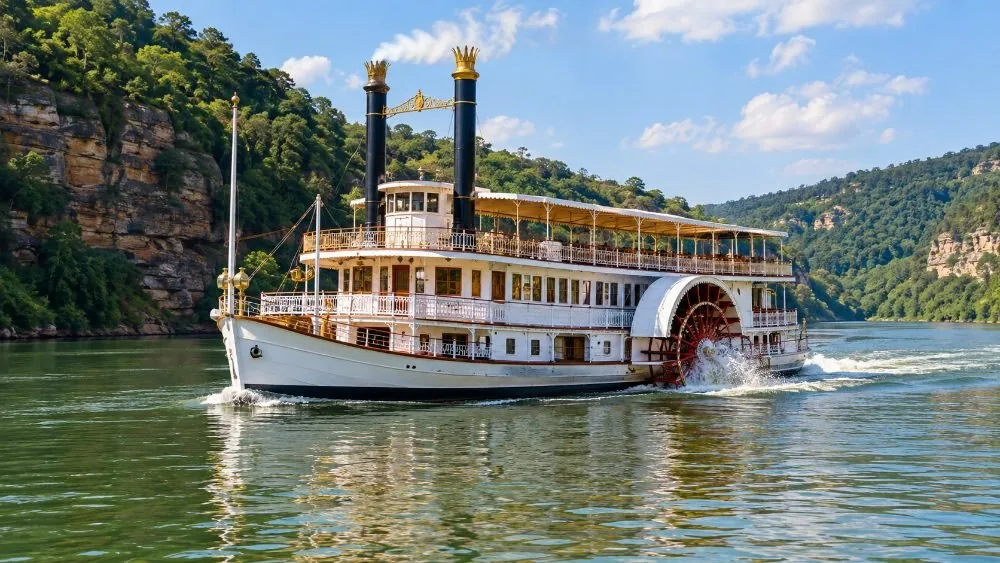
If the rock itself is out of reach, the river is not: the paddle steamer runs to the town below and the fortress is best seen from the water anyway. Paddle steamer cruises explains what “to Königstein” means on a boat ticket.
Frequently asked questions
Is Königstein Fortress wheelchair accessible?
Largely, yes. Most exhibitions are step-free and the roughly 1.7-kilometre outer-wall circuit is generally wide enough for a wheelchair, with a published route map and unsuitable routes signposted. The fortress warns about uneven paving and slopes in the historic fabric and recommends bringing a companion. Getting up is covered on getting up the rock.
Can I get to the fortress by train with a wheelchair?
Not without arranging it first. Königstein railway station is not accessible, and an accessible shuttle from the town has to be booked in advance. Driving with a blue EU disabled parking permit is the simpler route, because the fortress forecourt is reserved for permit holders — see parking.
What does the fortress provide for visitors with sensory needs?
Sensory bags lent free, containing noise-reducing headphones, fidget tools and a weighted blanket; an audio guide in ten languages with easy-language versions; a German Sign Language video guide; and a tactile model with Braille and large print at wheelchair height. Ask at the ticket window — the tickets page explains where that is.
Do carers and assistance dogs get in free?
Assistance dogs are admitted free, and one companion goes free where the disability card carries Merkzeichen B. Since there is no free part of the site for anyone else — the whole plateau is the museum — that provision matters. The free-entry page lists the exceptions.